News

News

What Is a Grate Magnet and Why Does It Matter in Modern Industrial Contamination Control?

2026-05-22 0 Leave me a message

A Grate Magnet is a critical magnetic separation device widely used in industrial processing lines to remove ferrous contaminants from free-flowing materials such as powders, granules, and dry bulk products. In industries like food processing, plastics, chemicals, ceramics, and recycling, even the smallest metal contamination can cause equipment damage, product rejection, safety risks, and financial losses. This article provides a comprehensive and practical guide to understanding how grate magnets work, their structural design, application scope, benefits, installation practices, maintenance requirements, and selection considerations. It is designed to help engineers, procurement managers, and plant operators make informed decisions when integrating magnetic separation systems into production workflows.

 Grate Magnet


Table of Contents


Introduction to Grate Magnet

In modern manufacturing environments, product purity is not just a quality standard—it is a necessity. A single metallic fragment in processed material can damage machinery, halt production lines, or lead to product recalls. This is where a Grate Magnet becomes indispensable. Installed in hoppers, chutes, and bins, it continuously removes ferrous particles from material flow without interrupting production.

As industries move toward higher automation and stricter quality control, magnetic separation systems have become a core component of production safety strategies. Among them, grate magnets are one of the most efficient and cost-effective solutions for dry bulk material handling systems.


What Is a Grate Magnet?

A Grate Magnet is a type of magnetic separator composed of a series of magnetic bars arranged in a grid or grate structure. These bars are installed inside material flow channels such as hoppers or ducts. As materials pass through, ferrous contaminants are attracted and trapped on the magnetic surface while clean material continues flowing.

The design is simple but highly effective. It relies on strong permanent magnets, often rare-earth materials like neodymium, to generate powerful magnetic fields capable of capturing even fine iron particles.

Grate magnets are widely used because they do not require electricity, have low maintenance requirements, and offer continuous protection against contamination.


Working Principle

The working principle of a grate magnet is based on magnetic attraction and flow resistance. As bulk material passes through the grate structure, it is forced to move around magnetic rods. Any ferrous material in the stream is attracted to the strongest magnetic field point and held firmly in place.

Over time, contaminants accumulate on the surface of the rods. Depending on design, cleaning can be manual or semi-automatic. Once removed, the magnet resumes operation immediately.

This simple yet powerful mechanism ensures continuous protection of downstream equipment.


Key Components

  • Magnetic Rods: Core element generating high-intensity magnetic fields
  • Frame Structure: Stainless steel housing that supports the grid
  • End Caps: Seal and protect magnetic rods
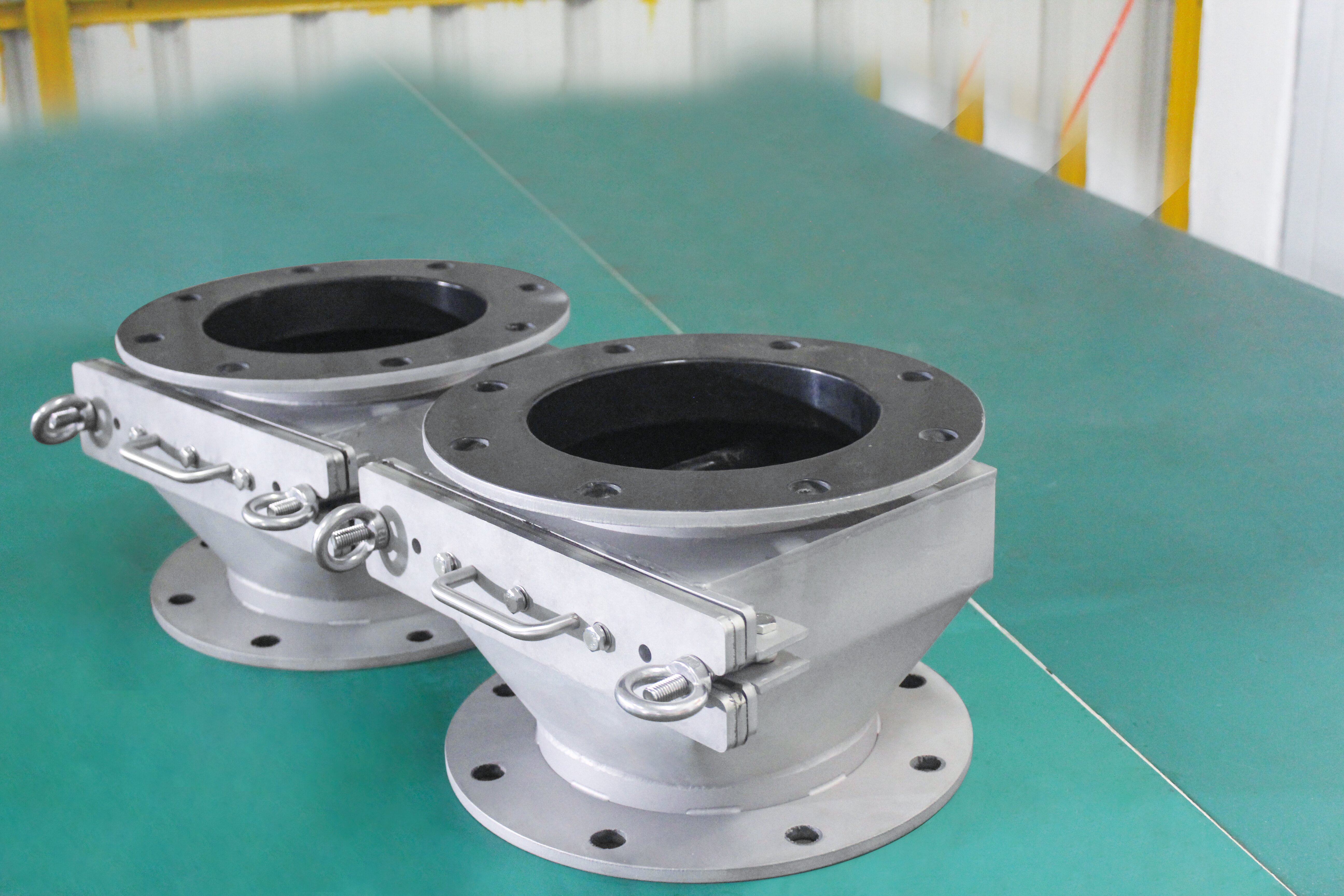
  • Optional Housing: For easy installation in pipelines or hoppers

Types of Grate Magnets

Different industrial needs require different grate magnet configurations. Below are the most common types:

  • Standard Grate Magnet: Fixed frame design for general applications
  • Easy-Clean Grate Magnet: Quick-release design for fast cleaning
  • Double-Row Grate Magnet: Enhanced magnetic coverage for high-contamination environments
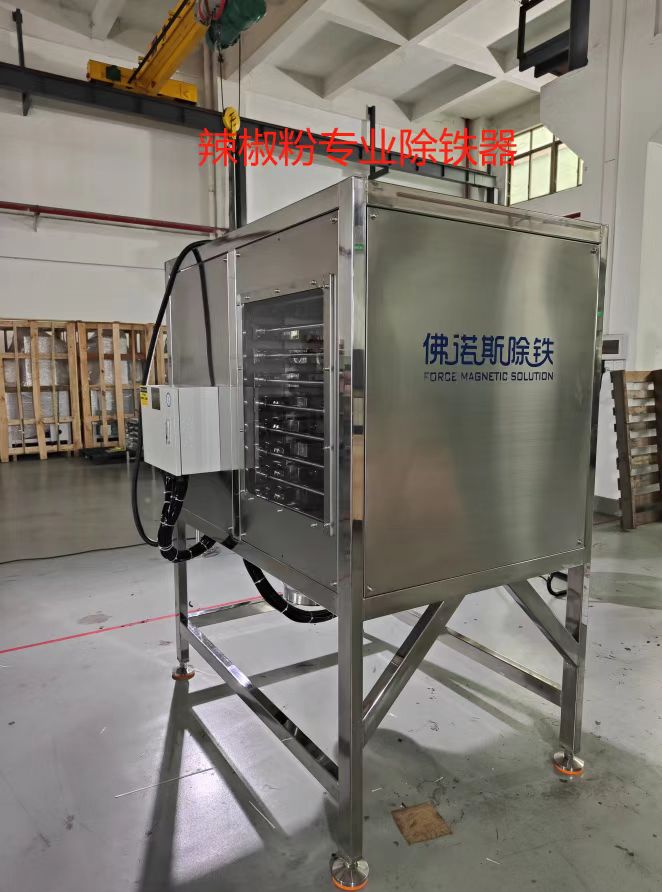
  • Drawer-Type Grate Magnet: Sliding mechanism for convenient maintenance

Industrial Applications

Grate magnets are widely used across multiple industries where product purity is critical.

  • Food processing (flour, sugar, grains, spices)
  • Plastic manufacturing (pellets, resin materials)
  • Chemical industry (powders, additives)
  • Ceramics and glass production
  • Mining and mineral processing
  • Recycling and waste management

In each of these sectors, contamination control directly affects product quality and operational safety.


Key Benefits

  • Effective removal of fine iron particles
  • Protection of downstream machinery
  • Improved product purity and compliance
  • Low operational cost due to no power consumption
  • Long service life with minimal maintenance
  • Easy integration into existing systems

Common Industrial Pain Points Solved

Many industries face recurring issues related to metal contamination. Grate magnets address these challenges effectively:

  • Unexpected machine breakdowns due to metal debris
  • High maintenance costs from damaged equipment
  • Product rejection caused by contamination
  • Safety risks in food and pharmaceutical production
  • Inefficiencies in manual contamination removal processes

Installation Guidelines

Proper installation ensures maximum performance of a grate magnet system. The following guidelines should be considered:

  • Install at points of material flow restriction for maximum exposure
  • Ensure uniform material distribution across the grate surface
  • Avoid vibration-heavy zones unless supported structurally
  • Allow easy access for cleaning and inspection

Maintenance and Cleaning

Although grate magnets are low-maintenance devices, periodic cleaning is essential to maintain efficiency.

  • Regular inspection of magnetic rods for buildup
  • Manual or quick-release cleaning depending on model
  • Checking structural integrity of stainless steel frame
  • Ensuring no coating damage on magnetic rods

Comparison Table

Feature Grate Magnet Plate Magnet Drum Separator
Contamination Removal Efficiency High Medium High
Maintenance Requirement Low Low Medium
Installation Flexibility High Medium Low
Power Requirement None None Required

How to Choose the Right Grate Magnet

Selecting the right grate magnet depends on multiple operational factors:

  • Material type and particle size
  • Flow rate and production volume
  • Level of contamination risk
  • Installation space constraints
  • Cleaning frequency requirements

A properly selected system ensures long-term efficiency and cost savings.


Frequently Asked Questions

Q1: Can a grate magnet remove very fine particles?
Yes, high-intensity rare-earth grate magnets can capture even micron-sized ferrous particles.

Q2: Does it require electricity to operate?
No, grate magnets operate using permanent magnetic fields.

Q3: How often should it be cleaned?
Cleaning frequency depends on contamination levels, but typically ranges from daily to weekly.

Q4: Can it be customized?
Yes, size, strength, and configuration can be customized for specific applications.

Q5: Is it suitable for food-grade applications?
Yes, stainless steel food-grade models are widely used in food processing industries.


Conclusion & Contact

A Grate Magnet is a simple yet powerful solution for protecting industrial systems from metal contamination. Its ability to continuously filter ferrous particles without interrupting production makes it an essential component in modern manufacturing environments. From improving product quality to reducing equipment downtime, its benefits extend across multiple industries.

Whether you are upgrading an existing system or designing a new production line, selecting a reliable magnetic separation solution can significantly improve operational efficiency and product safety.

For high-quality industrial magnetic solutions, Force Magnetic Solution Co., Ltd provides customized grate magnet systems designed for diverse industrial needs. If you are looking for reliable performance, engineering support, and tailored magnetic solutions, feel free to contact us to discuss your requirements and get professional assistance for your project.


Related News
Leave me a message
X
We use cookies to offer you a better browsing experience, analyze site traffic and personalize content. By using this site, you agree to our use of cookies. Privacy Policy
Reject Accept