News

News

How Does a Wet Electro Magnetic Filter Improve High-Purity Mineral Processing?

2025-12-11

A Wet Electro Magnetic Filter is an advanced separation system engineered to remove ultra-fine ferromagnetic and paramagnetic contaminants from slurry-based mineral processing lines. Operating under wet, high-intensity magnetic conditions, it delivers precision filtration for industries requiring elevated product purity—such as kaolin refining, feldspar upgrading, silica purification, and rare-earth beneficiation.

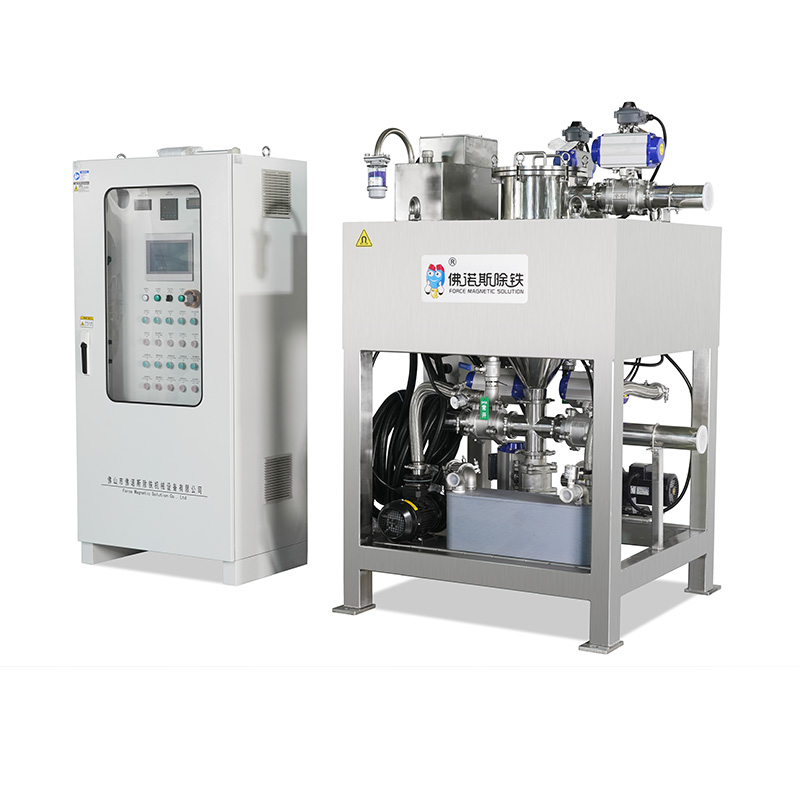
FNS-DF300-10 Wet Electro Magnetic Separator

Below is a consolidated parameter overview demonstrating the technical scope typically associated with industrial-grade Wet Electro Magnetic Filter systems:

Parameter Category Specification Range Technical Description
Magnetic Field Intensity 5,000–20,000 Gauss High-gradient magnetic energy optimized for ultra-fine particle capture
Matrix Material Stainless steel wool, expanded metal mesh Designed to maximize capture surface area under high magnetization
Slurry Density 20%–65% solids Supports variable viscosity and particle load in production throughput
Feed Rate Capacity 1–120 tons/hour Tailored to small, medium, and large-scale mineral processing lines
Operating Temperature Ambient–80°C Ensures stable performance across diverse slurry systems
Coil Cooling System Water-cooled or oil-cooled Maintains uniform magnetic intensity during continuous operation
Power Consumption 10–450 kW Scales with system size and field strength requirements
Automatic Control PLC or HMI-based Enables automated demagnetization, rinsing, and cycle adjustments
Cleaning Mode High-pressure backwash Removes trapped impurities for repeatable filtration cycles
Unit Configuration Single-cell / multi-cell Supports modular expansion based on required production capacity

How Does a Wet Electro Magnetic Filter Enhance Magnetic Particle Capture Efficiency?

A Wet Electro Magnetic Filter operates by creating a high-gradient magnetic environment in which ferromagnetic and paramagnetic particles are magnetically polarized and subsequently retained on the surface of a densely structured matrix. Compared to traditional magnetic separators, the defining distinction lies in the fine-scale matrix geometry and the controlled wet-processing mode that improves capture efficiency for particles often smaller than 10 microns.

The system achieves enhanced separation through four core process mechanisms:

Magnetic Polarization in High-Gradient Fields

The matrix within the magnetic cavity transforms the applied magnetic field into numerous micro-gradient zones. When slurry passes through, fine magnetic particles are polarized, attracted, and trapped in these micro-zones. This dynamic enables the removal of particles that would otherwise escape in low-intensity magnetic environments.

Controlled Slurry Flow Dynamics

The wet configuration utilizes fluid drag forces to position particles optimally for capture. Viscosity, residence time, and turbulence are balanced to maintain consistent capture performance without overloading the matrix.

Automatic Cleaning and Rinsing

After each filtration cycle, the system switches into a demagnetized state and initiates a high-pressure rinse. This ensures stable performance across multiple cycles, prevents matrix clogging, and supports continuous industrial operation.

Real-Time Control Adjustments

Modern Wet Electro Magnetic Filters are equipped with control systems capable of adjusting magnetic intensity, flow rates, and cycle timing based on slurry properties. These intelligent adjustments help stabilize purity output despite variations in raw material characteristics.

How Does a Wet Electro Magnetic Filter Compare to Dry Magnetic Systems?

Wet and dry magnetic systems follow similar separation principles but differ significantly in application suitability, particle behavior, and efficiency. Evaluating these differences helps processing engineers select the appropriate system for their feed material characteristics.

Particle Size Compatibility

Wet systems excel at capturing ultra-fine particles prone to agglomeration or dusting, while dry systems suit coarse or free-flowing materials.

Material Handling Requirements

Dry systems require controlled moisture content to avoid clogging, whereas wet systems use the natural fluidity of slurries to manage particle transport.

Heat and Energy Stability

The water-cooled nature of wet systems provides thermal stability, ensuring consistent magnetic intensity even under high workloads.

Capture Efficiency

Wet systems achieve higher capture efficiency for fine and paramagnetic particles because of improved contact probability within a liquid medium.

What Are the Key Application Advantages Driving Adoption of Wet Electro Magnetic Filters?

The operational structure of a Wet Electro Magnetic Filter makes it suitable for industries demanding extremely tight impurity thresholds. Several application advantages drive its adoption:

High-Purity Mineral Production

The equipment significantly enhances the whiteness, brightness, and chemical stability of processed minerals such as kaolin, quartz, and feldspar. Removing metallic impurities helps downstream processes such as ceramics glazing, glass melting, paper coating, and high-grade fillers.

Reduction of Chemical Treatments

By removing metallic impurities magnetically, plants reduce reliance on chemical bleaching, leaching, or flotation additives, leading to lower environmental impact and decreased operational costs.

Stability in High-Volume Operations

The unit’s modular design allows operators to scale capacity while maintaining consistent output purity. Multiple filters can be combined in series or parallel to accommodate production increases.

Process Automation

Automatic cycle control enables predictable performance across shifts, reducing operator intervention and ensuring adherence to quality-control thresholds.

What Future Trends Are Driving Innovation in Wet Electro Magnetic Filters?

Industry adoption is expanding due to several trends that enhance both technological value and long-term operational returns.

Demand for Ultra-Fine Purification

As advanced ceramics, high-precision electronics, and engineered materials continue to expand globally, the demand for ultra-fine and ultra-pure mineral inputs grows accordingly.

Integration of Digital Monitoring

Future systems incorporate real-time sensors that track slurry characteristics, matrix load levels, and magnetic intensity. Predictive analytics help maintain uptime and reduce unplanned maintenance events.

Energy-Efficiency Optimization

Developments in coil design, heat management, and flow optimization will reduce energy consumption while maintaining magnetic output stability.

Environmental Compliance Requirements

Regulatory pressure to reduce chemical waste streams and support sustainable mineral processing encourages further adoption of magnetic-based purification systems.

Frequently Asked Questions

Q: What materials benefit most from a Wet Electro Magnetic Filter?
A: Minerals containing trace amounts of ferromagnetic and paramagnetic impurities benefit significantly from this technology. Examples include silica sand, kaolin clay, feldspar, nepheline syenite, garnet, and various rare-earth minerals. The system is particularly effective when extremely fine iron oxides must be removed to meet brightness, whiteness, or purity specifications required in high-grade manufacturing sectors. Operators typically deploy this equipment when flotation or chemical purification cannot achieve the required impurity threshold.

Q: How often does a Wet Electro Magnetic Filter require maintenance?
A: Maintenance cycles depend on throughput volume, slurry abrasiveness, and operating intensity. Generally, daily inspections focus on slurry lines and cooling systems, while weekly checks examine matrix condition and coil performance. Automated cleaning cycles reduce manual labor significantly, but periodic matrix replacement or deep cleaning may be required depending on process variability. When operated within specification, the system demonstrates high reliability and long service intervals.

A Wet Electro Magnetic Filter provides a structured, high-intensity approach to removing fine ferromagnetic and paramagnetic impurities from slurry-based mineral processing systems. With its modular design, stable magnetic field performance, fine-scale matrix geometry, and automated process sequences, it supports the production of consistent high-purity mineral products across a wide range of industries. As global demand for ultrapure materials continues to rise, the relevance of advanced magnetic filtration solutions will only increase, especially in markets where environmental restrictions and quality requirements continue to tighten.

Force Magnetic Solution Co., Ltd has established itself as a knowledgeable developer and manufacturer of Wet Electro Magnetic Filter systems suitable for complex mineral processing lines. For organizations seeking consultation, system configuration support, or tailored equipment specifications, contact us to discuss project requirements and operational objectives.

Related News
X
We use cookies to offer you a better browsing experience, analyze site traffic and personalize content. By using this site, you agree to our use of cookies. Privacy Policy
Reject Accept